An imaging payload that carries its own precision.
Small satellites usually buy their image quality from the bus. Our payload brings it along: a star camera, an edge compute module and imaging optics, fused by computational imaging.
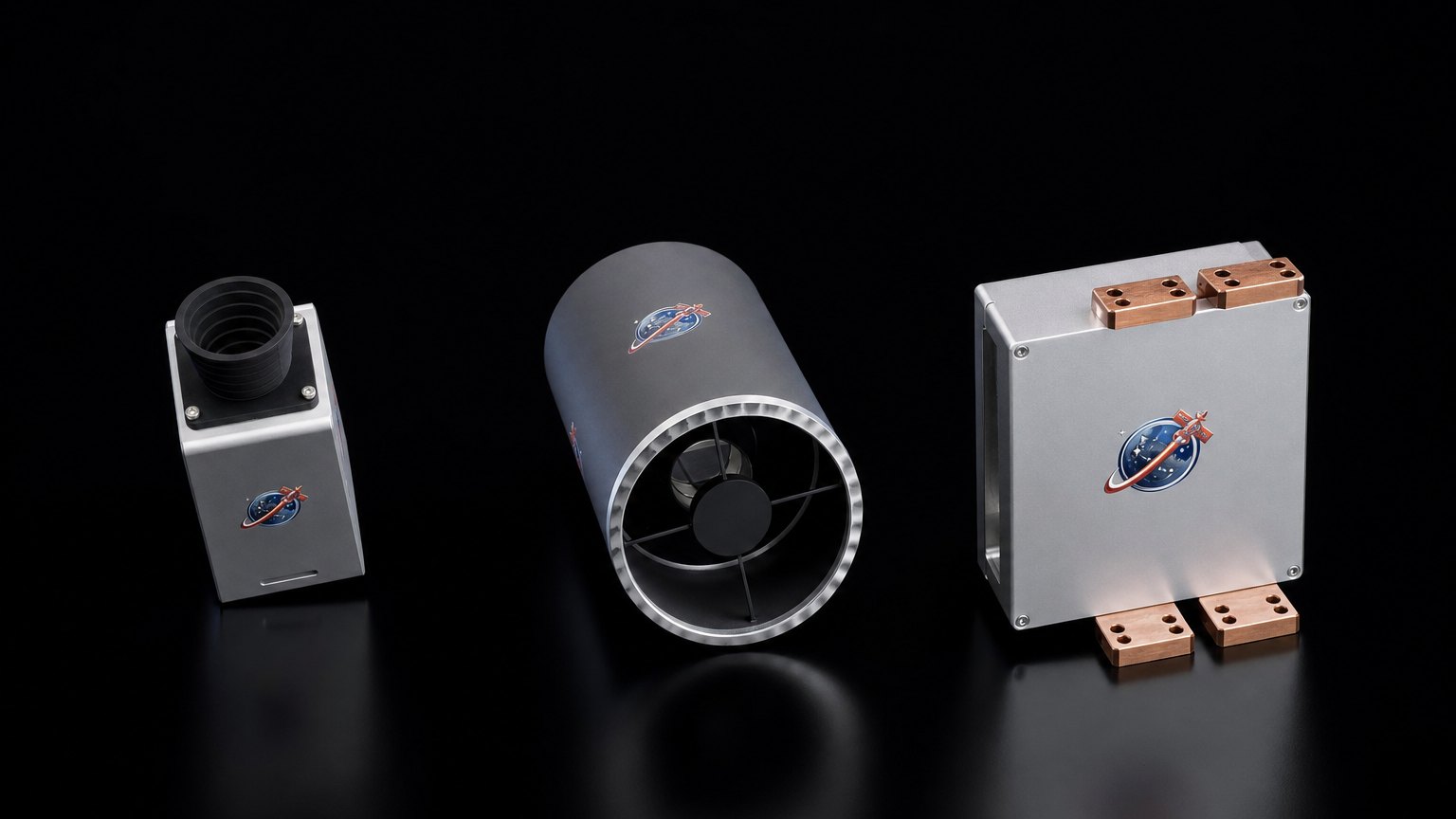
Point. Stack. Infer.
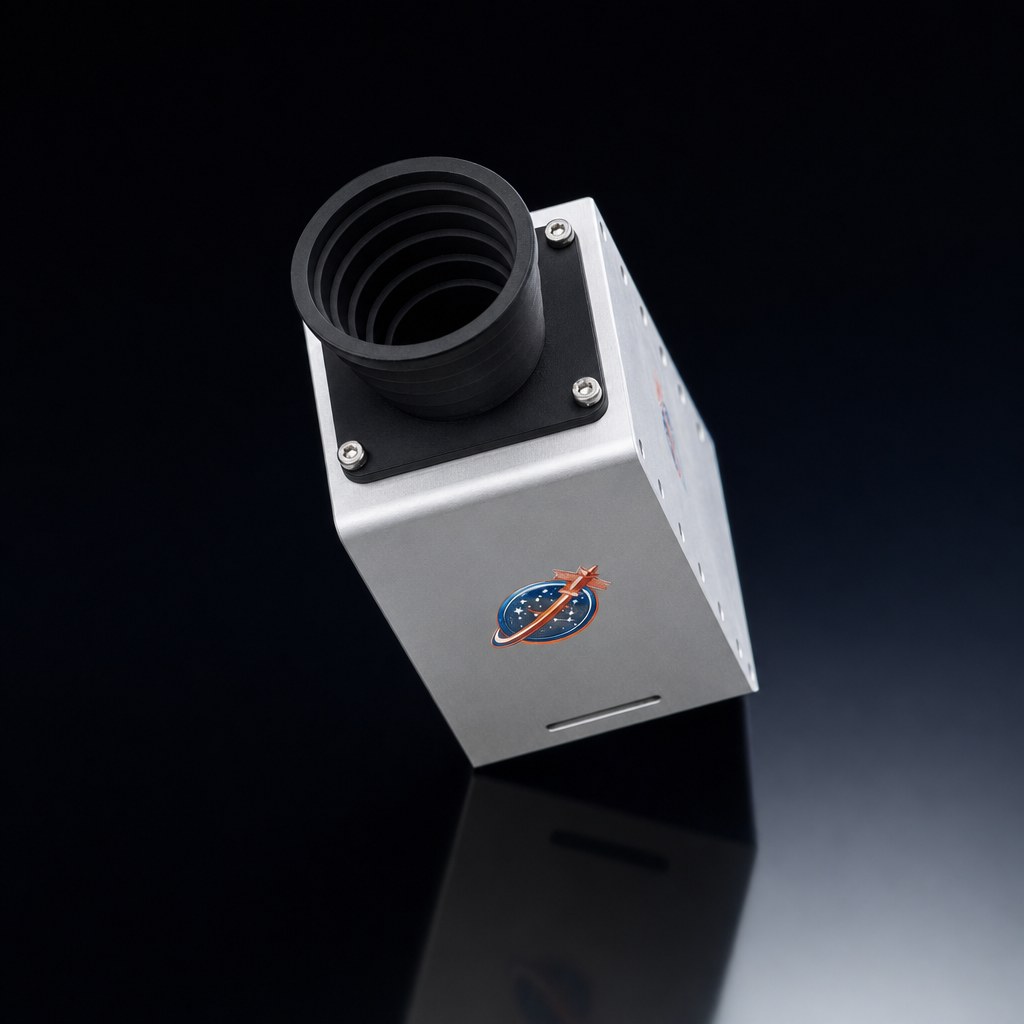
Star camera
Solves attitude while the spacecraft is still turning, so imaging can begin mid-slew. Flies on Stratos-2 in October 2026.
The star tracker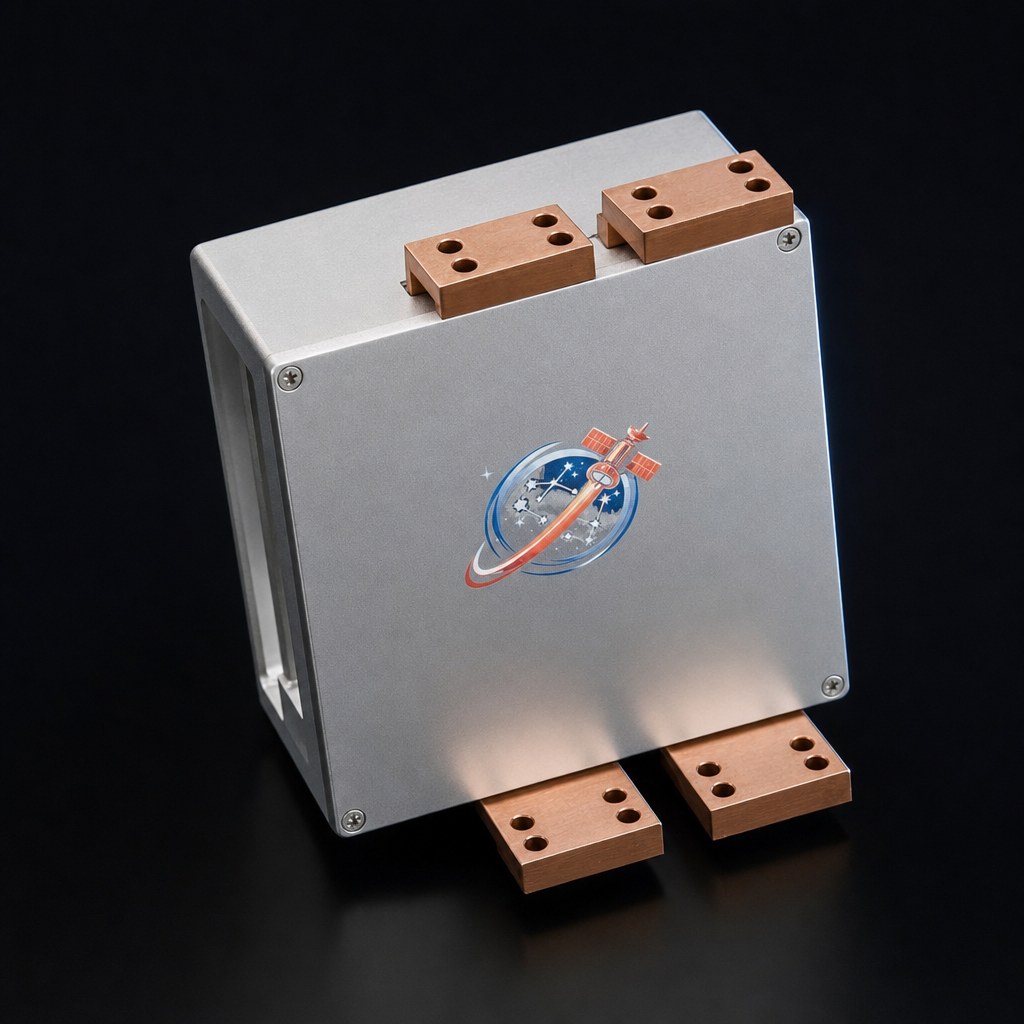
Edge compute
Registers and stacks the imager's sub-frames on board, using the star camera's attitude as the prior, and returns a geolocated tile with intelligent metadata. The Jetson compute module flew to 42 km on Stratos-1 in May 2026.
Satellite edge computing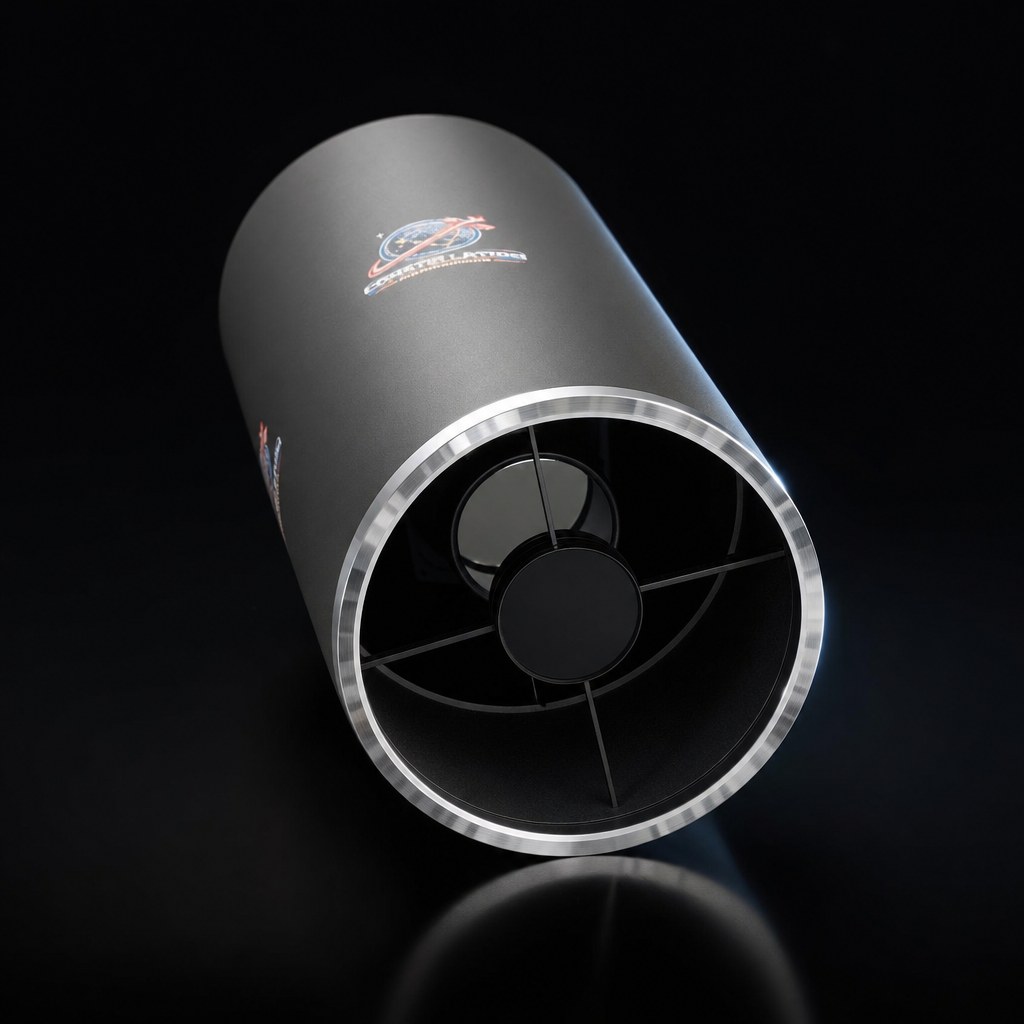
Imaging optics
A Cassegrain telescope, the imaging camera in our 6U reference design, gathers the scene and feeds its sub-frames straight to the compute module. Intelligent imaging is validated on Stratos-2.
A sharp, geolocated tile from a bus with ordinary pointing.
The payload stacks its own sub-frames using the star camera's attitude, then geolocates the tile on board. What comes down is the picture and its metadata, with no settling wait between targets.
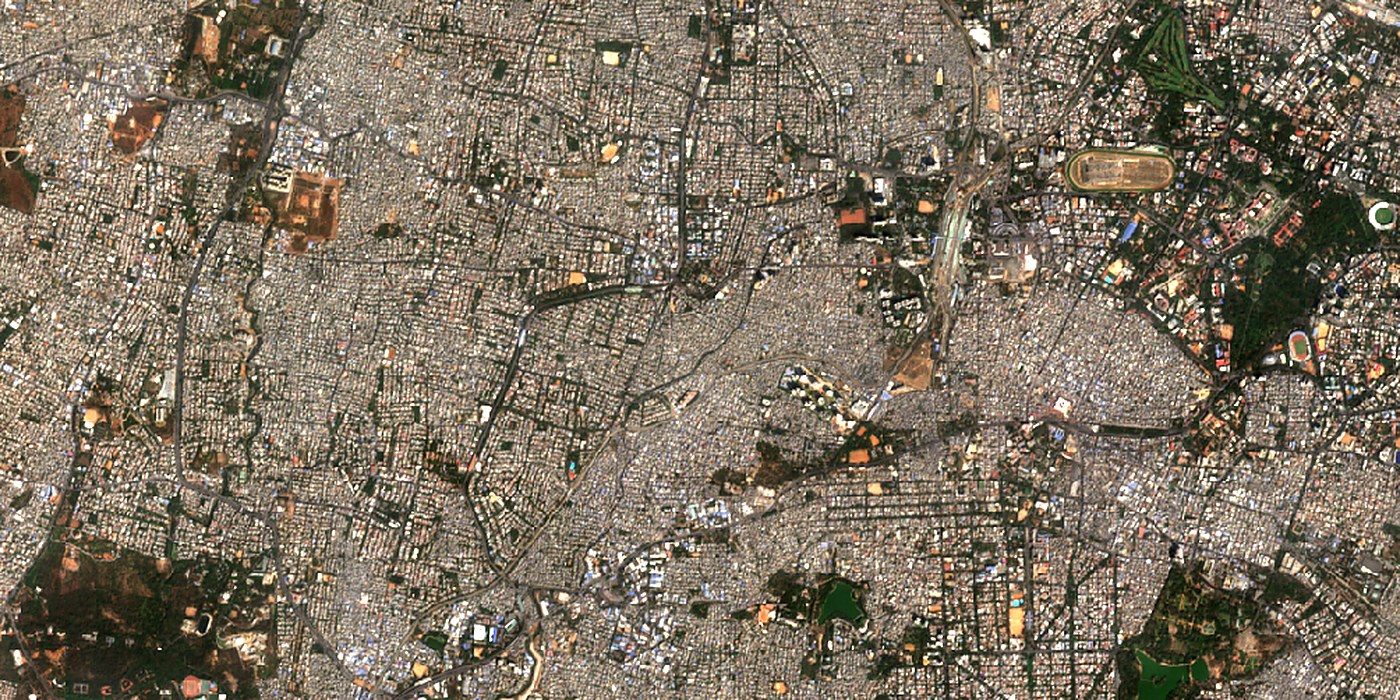

tile geolocated on board
Illustration on Copernicus Sentinel-2 data over Bengaluru. First on-board stacking flight: 2027.
Each part flies before we quote a number for it.
- May 2026
Stratos-1
First stratospheric flight. Flew the Jetson compute module and cameras to 42 km.
Flown - October 2026
Stratos-2
Validates the star camera, intelligent imaging and passive radiative cooling technologies.
Upcoming - 2027
On-board stacking
First on-board stacking flight.
Planned
Imaging payload FAQ
What is a CubeSat imaging payload?
The camera system a CubeSat flies to take pictures: optics, an image sensor and the electronics that read it out. Ours adds a star camera and on-board processing, so it can measure its own motion and correct for it.
Does the payload need a high-precision bus?
It is designed not to. It carries its own attitude knowledge and stacks short exposures on board, so a bus with ordinary pointing can return a sharp, geolocated tile.
What size of satellite does it fit?
Our reference design is a 6U. Our own 3U satellite carries a payload bay of about 1.7U. Ask the team about your bus.
What resolution will it have?
We publish figures only after they have flown. Resolution depends on the optics and orbit; our ground sampling distance guide shows how to estimate it.
When is it available?
The star camera flies on Stratos-2 in October 2026, and the first on-board stacking flight is planned for 2027. Engineering units can be reserved for 2027.
Fly a pathfinder.
Reserve a star-camera engineering unit for 2027.